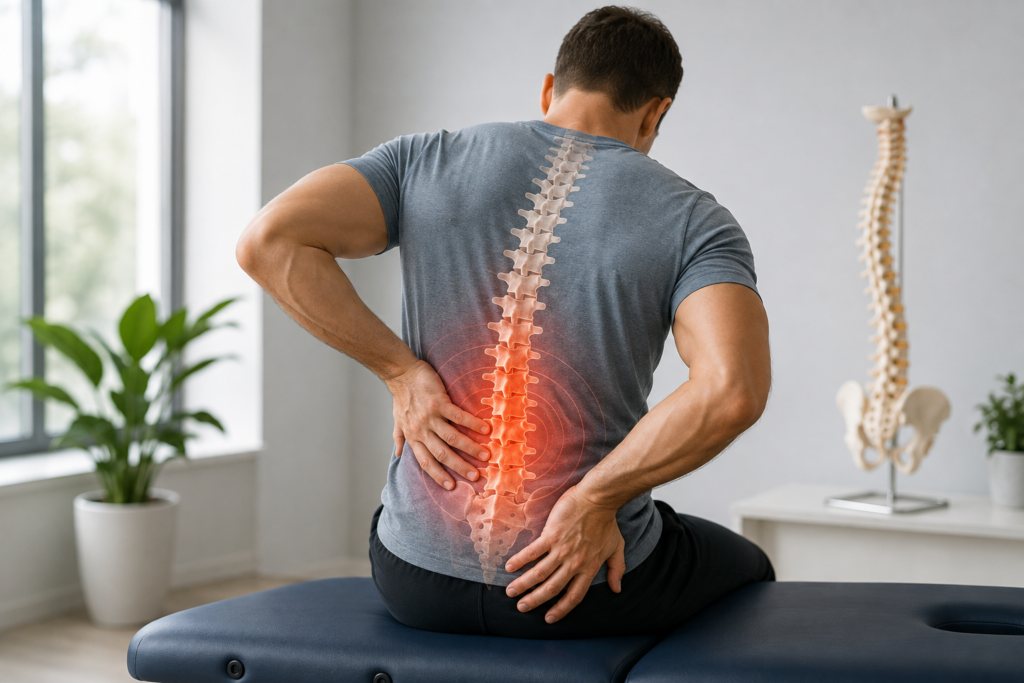

Have you ever stood up after sitting for a while and felt a sharp pain shoot from your lower back into your leg? Maybe it started as a dull ache in your hip, but now you notice tingling in your calf or discomfort that makes driving difficult. If this sounds familiar, you could be experiencing sciatica.
Sciatica can make ordinary activities surprisingly uncomfortable. Getting out of bed, sitting through a workday, walking around the grocery store, or bending down to tie your shoes can become frustrating. Sometimes the pain comes and goes. Other times, it seems to follow you everywhere.
For people living in Madison, MS, understanding what’s causing that discomfort is an important first step toward finding relief. At Southern Spine Family Chiropractic, we believe patients should understand their symptoms and treatment options before deciding what comes next.
Let’s talk about what sciatica is, why it happens, and when chiropractic care may be an appropriate part of your recovery.
What Is Sciatica, and Why Does It Cause Leg Pain?
Sciatica refers to pain associated with irritation or compression of nerve roots that form the sciatic nerve. This large nerve travels from the lower spine through the buttocks and down each leg.
When the nerve roots become irritated, discomfort can travel well beyond your lower back. You might feel pain in one buttock, down the back of your thigh, or even into your foot.
Unlike ordinary muscle soreness, sciatica often produces unusual sensations. Some people describe a burning feeling, while others experience tingling, numbness, or sharp, electric-like pain.
One important detail is that sciatica typically affects one side of the body, although symptoms can sometimes involve both sides.
Not every case of leg pain is sciatica. Problems involving the hips, muscles, blood vessels, or other nerves can produce similar symptoms. That’s why identifying the cause matters before beginning treatment.
What Causes Sciatica?
Sciatica isn’t a disease by itself. It’s a collection of symptoms that can develop when structures in the lower spine irritate or compress nearby nerve roots.
Several conditions may contribute to this problem.
Herniated or Bulging Discs
Between the bones of your spine are discs that help absorb pressure and allow movement. These discs have a soft center surrounded by a tougher outer layer.
When part of a disc pushes outward, it may irritate a nearby nerve root. This can lead to pain that travels from your lower back into your buttock or leg.
Disc problems can develop gradually or appear after an injury. Repetitive lifting, twisting, and age-related changes may contribute.
Spinal Stenosis
Spinal stenosis occurs when spaces within the spine become narrower. This narrowing can place pressure on nerves, sometimes producing leg pain, numbness, or weakness.
People with lumbar spinal stenosis may notice that walking or standing makes their symptoms worse, while sitting or leaning forward provides some relief.
Because the symptoms can resemble sciatica caused by a disc problem, a proper examination is important.
Age-Related Changes in the Spine
As we get older, the discs and joints in our spine naturally change. Some people develop arthritis, disc degeneration, or bony growths that reduce the space available for nerves.
These changes don’t always cause pain. In fact, many people have age-related spinal changes without experiencing symptoms.
However, when those changes irritate a nerve, discomfort may extend into the legs.
Injuries and Repetitive Physical Stress
Lifting heavy objects incorrectly, twisting suddenly, or experiencing a fall may contribute to lower back problems.
Repetitive movements can also place stress on the muscles and joints surrounding the spine.
Whether you’re working in an office, spending weekends on home improvement projects, or staying active with sports around Madison, paying attention to how your body moves can help reduce unnecessary strain.
Why Sitting Can Make Sciatica Feel Worse
Many people with sciatica notice that sitting for extended periods makes their symptoms more noticeable.
If you work at a desk or regularly commute between Madison, Ridgeland, and Jackson, you probably know how stiff your lower back can feel after a long day.
Certain seated positions increase pressure on the lower back and may aggravate an already irritated nerve.

Slouching, sitting with your wallet in your back pocket, or staying in one position for hours can add to your discomfort.
That doesn’t mean sitting is automatically harmful. The bigger concern is remaining in positions that repeatedly aggravate your symptoms without giving your body opportunities to move.
Try standing up periodically, taking short walks, and adjusting your workstation so your feet rest comfortably on the floor.
If sitting consistently causes shooting pain, numbness, or tingling, it’s worth having your symptoms evaluated rather than assuming they’re caused by poor posture alone.
Can a Chiropractor Help With Sciatica Pain?
Chiropractic care may help some people experiencing sciatica, depending on the underlying cause of their symptoms. However, not every case of sciatic nerve pain is appropriate for spinal adjustments.
Chiropractors evaluate how the spine and surrounding joints move and look for musculoskeletal problems that may contribute to discomfort.
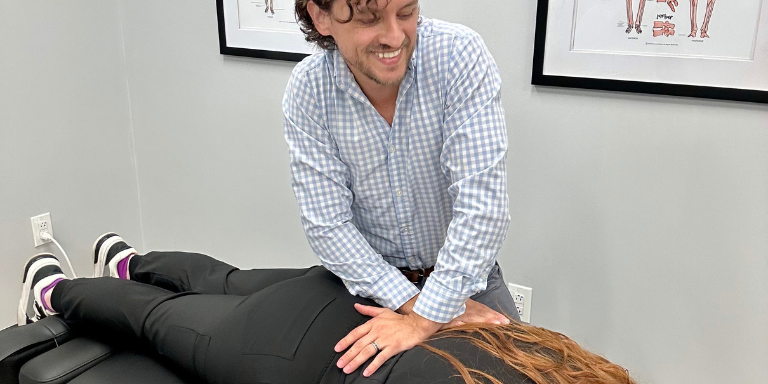
When appropriate, treatment may include spinal manipulation, gentle mobilization, movement recommendations, and exercises designed to improve function.
The National Center for Complementary and Integrative Health reports that limited research suggests spinal manipulation may help certain people with sciatica. However, the evidence is not strong enough to guarantee improvement for everyone.
Research supporting spinal manipulation is more established for certain types of lower back pain than for sciatica specifically.
For patients in Madison considering chiropractic treatment, the most important first step is understanding whether the symptoms are caused by a condition that chiropractic care can reasonably address.
What Happens During a Chiropractic Evaluation for Sciatica?
If you’ve never visited a chiropractor for radiating leg pain, you may wonder what the appointment involves.
At Southern Spine Family Chiropractic, the process begins with understanding your concerns and health history.
Your chiropractor may ask when the pain started, where it travels, whether you’ve experienced numbness or weakness, and which activities make the symptoms better or worse.
An examination may include checking your posture, spinal movement, muscle strength, reflexes, and sensation.
These findings help determine whether your symptoms suggest nerve irritation and whether additional medical evaluation or imaging is needed.
Not everyone with sciatica needs an MRI or X-ray. Imaging decisions depend on the examination, the severity and duration of symptoms, and whether warning signs are present.
You can learn more about the appointment process by visiting Southern Spine’s new patient information.
What Can You Do at Home to Ease Sciatica Symptoms?
If you’re dealing with mild sciatic pain and have no concerning neurological symptoms, certain everyday habits may help you stay comfortable while recovering.
Gentle movement is often a good starting point. Taking short walks throughout the day may feel better than spending hours sitting or lying down.
You should avoid movements that consistently worsen pain traveling down your leg.
Some people find temporary relief from heat or cold packs. Use a towel between the pack and your skin, and avoid extreme temperatures.
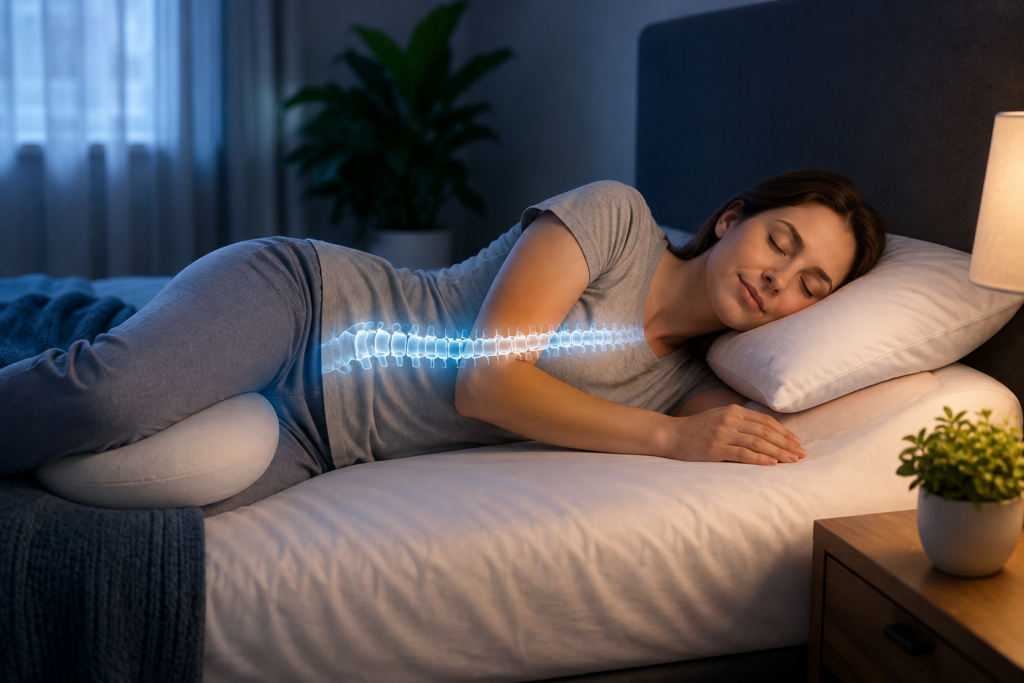
Your sleeping position may also make a difference. Lying on your side with a pillow between your knees or on your back with support beneath your knees may help you find a more comfortable position.
Exercise can be valuable, but not every stretch is appropriate for every type of sciatica. Aggressively stretching an irritated nerve can sometimes make symptoms worse.
The National Institute of Neurological Disorders and Stroke provides additional information about lower back pain, common causes, and treatment approaches.
For persistent symptoms, a personalized exercise plan from a qualified healthcare professional is generally more useful than trying random stretches from social media.
Your lower back probably doesn’t need a new internet challenge.
When Should You Seek Medical Attention for Sciatica?
Sciatica symptoms can range from mild discomfort to severe pain that makes daily activities difficult.
Many cases improve over time with appropriate conservative care, but certain symptoms should never be ignored.
Seek emergency medical attention if you develop new loss of bladder or bowel control, numbness around the groin or saddle area, or severe or rapidly worsening leg weakness.
These symptoms may indicate serious nerve compression requiring urgent treatment.
You should also seek prompt medical evaluation if your pain follows a significant injury, occurs with fever, or is accompanied by other concerning symptoms.
Even without emergency warning signs, persistent pain, increasing numbness, or symptoms that interfere with normal activities deserve professional attention.
How Long Does Sciatica Take to Improve?
Recovery varies depending on what’s causing the symptoms.
Some people begin feeling better within a few weeks, while others experience discomfort that lasts longer.
A herniated disc, spinal stenosis, and other underlying conditions may require different approaches to treatment.
Your age, general health, activity level, and symptom severity can also influence recovery.
The goal isn’t simply to make pain disappear for a day. It’s to improve your ability to move comfortably, return to normal activities, and understand how to manage future episodes.
An individualized treatment plan can help establish realistic expectations.
Frequently Asked Questions About Sciatica
Can sciatica go away without surgery?
Yes. Many people with sciatica improve without surgery. Conservative care may include activity modification, appropriate exercise, physical therapy, medication when indicated, and other treatments based on the underlying cause.
Is walking good for sciatica?
Walking may help some people maintain mobility and avoid prolonged inactivity. However, if walking significantly increases pain, numbness, or weakness, you should seek medical guidance rather than pushing through symptoms.
Can chiropractic adjustments relieve sciatic nerve pain?
Spinal manipulation may provide relief for some patients, but evidence specifically for sciatica remains limited. A chiropractor should evaluate the cause of your symptoms before recommending adjustments.
What’s the difference between sciatica and regular back pain?
Regular lower back pain may remain concentrated around the spine and surrounding muscles. Sciatica typically involves pain that radiates into the buttock or leg because of irritation affecting the sciatic nerve roots.
Should I see a chiropractor if my leg feels numb?
Numbness can indicate nerve involvement and should be evaluated. New or worsening weakness, especially when accompanied by bladder or bowel changes or saddle numbness, requires emergency medical care.
Find Chiropractic Care for Sciatica in Madison, MS
Living with pain that travels from your lower back into your leg can make even simple activities feel like a chore. Whether you’re struggling to sit comfortably at work, walk through the neighborhood, or enjoy time with your family, understanding the cause of your discomfort is the first step toward finding an appropriate treatment plan.
At Southern Spine Family Chiropractic, we help Madison-area residents explore chiropractic care for back pain, joint mobility concerns, and other musculoskeletal conditions.
We believe patients deserve clear answers, individualized attention, and practical guidance about their health.
If you’re experiencing persistent lower back or leg pain, contact Southern Spine Family Chiropractic to schedule an evaluation and discuss whether chiropractic care may be appropriate for you.
Our office is located at 1896 Main Street, Suite A, Madison, MS 39110, serving Madison and nearby communities, including Ridgeland, Gluckstadt, and Canton.
Don’t let unanswered questions about your back pain keep you guessing. Find out what’s causing your symptoms and which next steps make sense for your health.