
Getting comfortable can become a daily project when you’re pregnant. Your lower back aches after work, turning over in bed takes planning, and picking up your toddler suddenly feels like a much bigger task. You may wonder whether this is something you have to put up with until delivery.
Back pain during pregnancy deserves attention, especially when it affects sleep, movement, or everyday activities. Start by discussing your symptoms with your OB-GYN or midwife. Once pregnancy-related complications have been considered, you can explore appropriate options for musculoskeletal discomfort, including whether chiropractic care fits your needs.
At Southern Spine Family Chiropractic in Madison, MS, we want expecting moms to have clear information before making decisions about care. These questions can help you prepare for a useful conversation.
Why Does My Back Hurt During Pregnancy?
Pregnancy changes how your body carries weight and moves. As your belly grows, your center of gravity shifts, and your abdominal muscles stretch. Pregnancy hormones also loosen ligaments around the pelvis. Together, these changes can alter the demands on your back and surrounding muscles. Mayo Clinic
Your routine matters, too. Standing through a work shift, sitting for a long commute, or lifting a child may feel different as pregnancy progresses. That does not mean you did something wrong. It means your usual activities may need adjustments.

Notice when discomfort starts, where you feel it, and which tasks make it worse. Those details are more helpful at an appointment than trying to diagnose the problem yourself. Mayo Clinic’s pregnancy back-pain guidance explains several physical changes and comfort measures worth discussing with your prenatal provider.
Should I Talk With My OB-GYN Before Seeing a Chiropractor?
Yes. Let your prenatal provider know about your back pain and your interest in chiropractic care. Your pregnancy history, current symptoms, and any restrictions should help guide the decision.
Explain whether pain developed gradually or suddenly and whether it affects walking, sleep, or work. Mention any recent fall or injury. If you have a high-risk pregnancy, ask whether you need additional assessment before considering hands-on treatment.

Chiropractic care should complement your prenatal care. Your OB-GYN or midwife continues to oversee pregnancy-related medical concerns, while a chiropractor evaluates whether a musculoskeletal approach is appropriate. Keeping both providers informed helps everyone work from the same information.
Is Chiropractic Care Appropriate for My Pregnancy?
The answer depends on your individual circumstances. Pregnancy alone does not establish whether a particular treatment is suitable, and a responsible recommendation starts with an examination and discussion of potential benefits, risks, and alternatives.
The National Center for Complementary and Integrative Health notes that serious adverse events reported during pregnancy are very rare, but rigorous research is limited. It recommends discussing spinal manipulation’s potential risks and benefits with your healthcare provider.
Ask what the chiropractor hopes to address and how the proposed approach relates to your symptoms. An understandable goal might be improving comfort during a specific daily task. Avoid treating any approach as a guarantee of a pain-free pregnancy, an easier delivery, or a particular birth outcome.
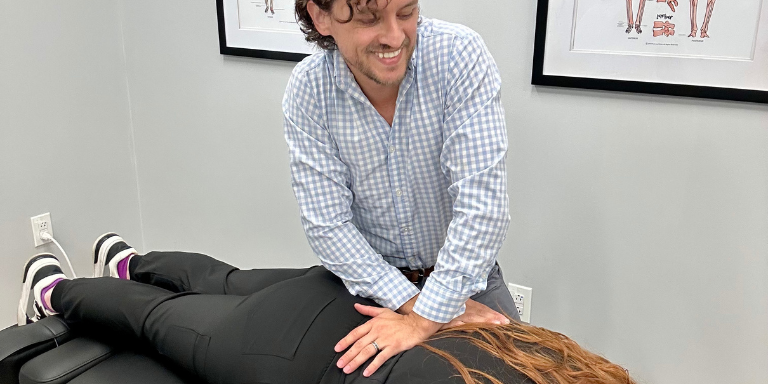
Southern Spine offers prenatal and pediatric chiropractic care. When contacting our office, explain how far along you are, what is bothering you, and any guidance your prenatal provider has given you.
What Should I Ask Before Agreeing to Treatment?
You deserve enough information to feel comfortable with the proposed plan. Bring your questions with you, especially if this is your first chiropractic appointment.
Useful questions include:
- What experience do you have evaluating pregnant patients?
- What do you think is contributing to my symptoms?
- How would you adapt the examination, positioning, and treatment for my pregnancy?
- What benefits, risks, and alternatives should I understand?
- What would lead you to recommend another provider?
- How will we decide whether the plan is helping?
Discuss positioning before treatment begins. Explain which positions are uncomfortable and ask how the visit can accommodate your changing body. You should be able to ask for an explanation, request a pause, or decline a technique.
Our guide to your first chiropractic visit in Madison describes the general consultation and examination process. Tell the office you are pregnant when scheduling so that the conversation can begin before you arrive.
What Can I Change at Home or Work?
Ask for recommendations that fit your actual day. Advice is more useful when it accounts for your job, other children, commute, and current activity restrictions. Someone who stands for hours needs a different conversation from someone whose discomfort starts during a desk-based workday.
Possible topics include supportive seating, breaks from prolonged standing, lifting demands, and exercises approved by your provider. MedlinePlus recommends provider-guided back exercises and practical changes such as bending the knees when picking things up and avoiding heavy lifting.
Describe the task that gives you trouble instead of simply asking for “better posture.” For example, tell your provider that loading groceries hurts or that your back aches halfway through your shift. Ask them to help you identify a manageable change.

Avoid starting an intense stretching routine because a video promises quick relief. Have your provider explain which movements suit your pregnancy and what symptoms should prompt you to stop.
How Will We Know Whether Care Is Helping?
Choose goals that reflect what matters to you. Perhaps you want to sit through dinner more comfortably, manage a shorter walk, or get through your morning routine with less difficulty.
Ask when progress will be reviewed and what happens if symptoms stay the same or worsen. A useful follow-up conversation should cover your function, comfort, and response to the recommendations. Your plan should allow room for reassessment as your pregnancy changes.
Discuss visit frequency, costs, and insurance benefits before committing. There is no single schedule that fits every expecting mom. Ask how the proposed number of appointments relates to your findings and how recommendations may change over time.
When Should I Call My Prenatal Provider About Back Pain?
Call your prenatal provider promptly for severe back pain, pain after a fall or injury, or pain lasting more than two weeks. Contact them right away if back pain comes with vaginal bleeding, fever, cramping or contractions, or burning during urination.
These symptoms can require medical assessment for concerns such as preterm labor or a urinary tract infection. Do not wait for a routine chiropractic appointment to discuss them. Follow your maternity team’s instructions about where to seek care. Mayo Clinic
Even without those symptoms, tell your provider when pain is interfering with daily life. You do not need to wait until discomfort becomes overwhelming before asking for help.
Explore Pregnancy Back-Pain Care in Madison, MS
You have enough to prepare for before your baby arrives. Getting answers about your back pain can help you make informed choices and find support that fits your pregnancy.
At Southern Spine Family Chiropractic, we welcome questions about your symptoms, concerns, and goals. If your prenatal provider agrees that a musculoskeletal evaluation is appropriate, call (769) 289-1114 to discuss an appointment at 1896 Main Street, Suite A, Madison, MS. Let us know you are pregnant and share any care restrictions when you call.